Wondy: A Handwritten Font for Calm Design
When I started redesigning my lifestyle blog, I knew the right font could make all the difference. After testing several options, I landed on Wondy—a handwritten script that felt both natural and refined. It wasn’t just about style; it was about creating a reading experience that felt warm and inviting.
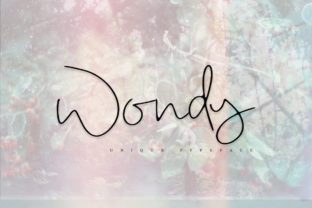
Wondy has a soft, organic rhythm that mimics the flow of a real hand. Each letter curves gently, with subtle variations that give it a personal touch. It doesn’t feel stiff or artificial, which makes it perfect for content that aims to connect with readers on an emotional level.
One of the first places I used Wondy was on the blog header. The font added a light, breezy quality that matched the tone of the site. It worked especially well for section titles and pull quotes, where a bit of visual interest is needed without overwhelming the reader.
In a recipe ebook I was designing, Wondy helped set the mood. The font’s casual, handwritten look felt right for a collection of simple, comforting dishes. I paired it with a clean serif font for body text, creating a balance between personality and readability.
For a wedding guide I was developing, Wondy became the go-to choice for headings and decorative accents. Its fluidity gave the document a sense of elegance without being too formal. It worked well for chapter openers and captions, adding a touch of charm that complemented the overall design.
I also experimented with Wondy in a printable planner. The font’s legibility made it ideal for daily notes and reminders. Even when scaled down for smaller text sizes, it retained its clarity and character. It was a great example of how a handwritten font can still be functional in practical layouts.
One thing I appreciated about Wondy is how it supports visual hierarchy. Its natural variation helps draw attention to key elements without disrupting the flow of the content. Whether it’s a newsletter graphic or a digital magazine layout, the font adds a layer of personality that enhances the overall aesthetic.
Readability was a concern when I first considered using Wondy for longer text. But after testing it on screen and in print, I found it surprisingly easy to read. The spacing and stroke contrast were well-balanced, making it suitable for short paragraphs and decorative text alike.
For a coaching workbook, I used Wondy to highlight key takeaways and motivational quotes. The font’s expressive nature made it stand out, while still maintaining a professional edge. It was a great way to add visual interest without sacrificing clarity.
When working on a course PDF, I paired Wondy with a sans serif font for headings and captions. This combination created a modern, clean look that felt both professional and approachable. The contrast between the two fonts helped guide the reader through the content effectively.
Wondy’s versatility extends beyond just typography. It works well for logo design, social media graphics, and packaging design. Its handwritten quality gives it a unique identity that can help brands stand out in a crowded market.
As I continued to use Wondy across different projects, I noticed how it contributed to a consistent brand identity. Whether it was a blog post, an ebook, or a printable guide, the font helped maintain a cohesive look that resonated with my audience.
One thing to keep in mind when using Wondy is to check the available styles and file formats. It comes in multiple weights and includes alternates and ligatures that can enhance the design. For commercial use, it’s important to review the licensing terms to ensure compliance with any project requirements.
Overall, Wondy is a font that brings warmth and character to any design. It’s not just a typeface—it’s a tool for creating a more engaging and thoughtful reading experience. Whether you’re working on a lifestyle blog, a recipe ebook, or a digital magazine, Wondy offers a unique blend of style and functionality that can elevate your work.
As I continue to explore new ways to use Wondy, I’m reminded of how powerful a font choice can be. It’s not just about aesthetics; it’s about how the font shapes the way readers interact with content. And in that sense, Wondy is more than just a font—it’s a design companion that helps bring ideas to life.