Zubayda: A Handwritten Font for Web Design
As a web designer, I’m always on the lookout for fonts that bring personality to digital projects without sacrificing clarity. Zubayda is one of those rare finds—a handwritten script that feels warm and authentic, yet works beautifully in a variety of online contexts.
A Warm and Personal Touch for Digital Projects
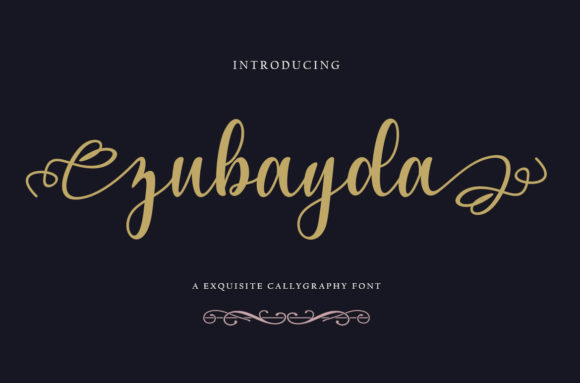
When I first tried Zubayda on a hero section for a boutique online store, it immediately added a sense of approachability. The font has a soft, flowing style with subtle flourishes that make it feel like it was written by hand. It’s not overly ornate, which makes it versatile for both modern and rustic themes.
What stands out about Zubayda is its character. It doesn’t feel generic or overused. Instead, it brings a unique charm that can elevate a website’s visual identity. Whether I was testing it on a product landing page or a blog header, it consistently delivered a friendly and inviting tone.
Perfect for Headers, Buttons, and Call-to-Actions
Zubayda shines when used as a display font for headings, buttons, and call-to-action elements. On a coaching website, I used it for a primary CTA button, and it added just the right amount of personality without being distracting. The font pairs well with clean sans serif fonts for body text, creating a balanced look that’s easy on the eyes.
I also tested it on mobile screens, and it held up well. Even at smaller sizes, the strokes remain legible, and the overall shape of the letters doesn’t get lost. This makes it a great choice for mobile-first designs where space is limited.
Enhancing Brand Identity and User Engagement
One of the things I love about Zubayda is how it contributes to brand consistency. When used across different parts of a website—like a portfolio homepage or a course sales page—it helps create a cohesive visual language. This is especially important for small businesses or solo creators who want to build a strong online presence.
It also adds an emotional layer to a design. In a digital brand kit for a handmade shop, Zubayda gave the site a more personal feel. Visitors could almost imagine the products were crafted with care, which can be a powerful tool for building trust and connection.
Best Practices for Using Zubayda in Web Design
While Zubayda is highly readable in most cases, there are some situations where it might not be the best choice. For example, using it for long paragraphs or dense information-heavy sections can reduce readability. It’s better suited for short phrases, titles, and decorative accents.
When working with Zubayda, I recommend pairing it with a simple sans serif or serif font for body copy. This creates a clear visual hierarchy and ensures that the design remains functional. For instance, using a clean font like Lato or Georgia alongside Zubayda makes the layout more accessible and easier to scan.
Another consideration is multilingual support. If your website serves an international audience, make sure Zubayda supports the languages you need. It’s also important to check the font licensing before using it on client projects or commercial websites.
Real-World Applications and Layout Performance
I’ve used Zubayda in several real-world scenarios, from a creative portfolio site to a promotional landing page for a digital course. In each case, it added a distinct personality while maintaining professionalism. On a dark background, it still reads clearly, and on light backgrounds, it doesn’t appear too harsh.
For image overlays, Zubayda worked well when placed over a banner or a hero image. Its soft curves helped it blend into the background without clashing. This makes it ideal for websites that rely heavily on visuals to tell their story.
Overall, Zubayda is a valuable addition to any web designer’s toolkit. It’s not just a pretty font—it’s a practical choice that can enhance the user experience and reinforce a brand’s identity. Whether you’re designing a new website or updating an existing one, Zubayda offers a fresh and engaging way to present your message.